Corner · Store study · July 2026 · Stoney Creek, Hamilton
520 Barton
Corner planned a store of its own here. Could an unattended store with no staff pay for itself on this corner? The study tested eight concepts, and none survived. Its kill criteria were set before any money was spent.
The verdict
The verdict was kill. Measured demand, the payback arithmetic and the category's own record each ruled the store out. The evidence was public and free the whole time.
The site
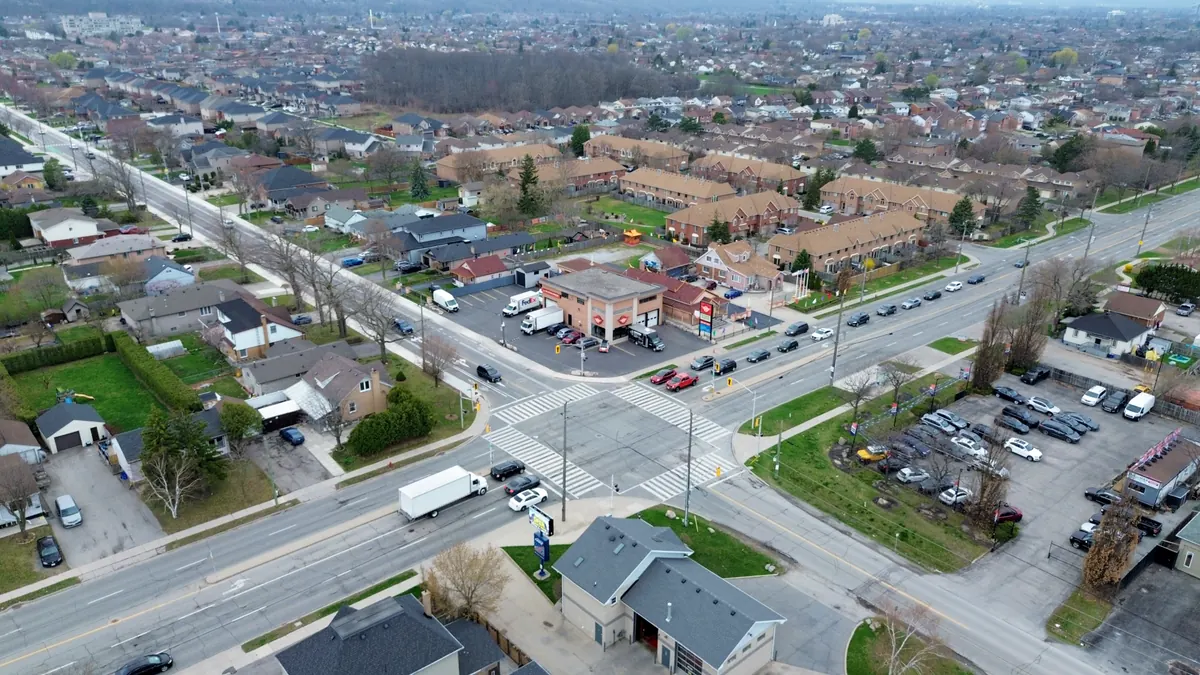
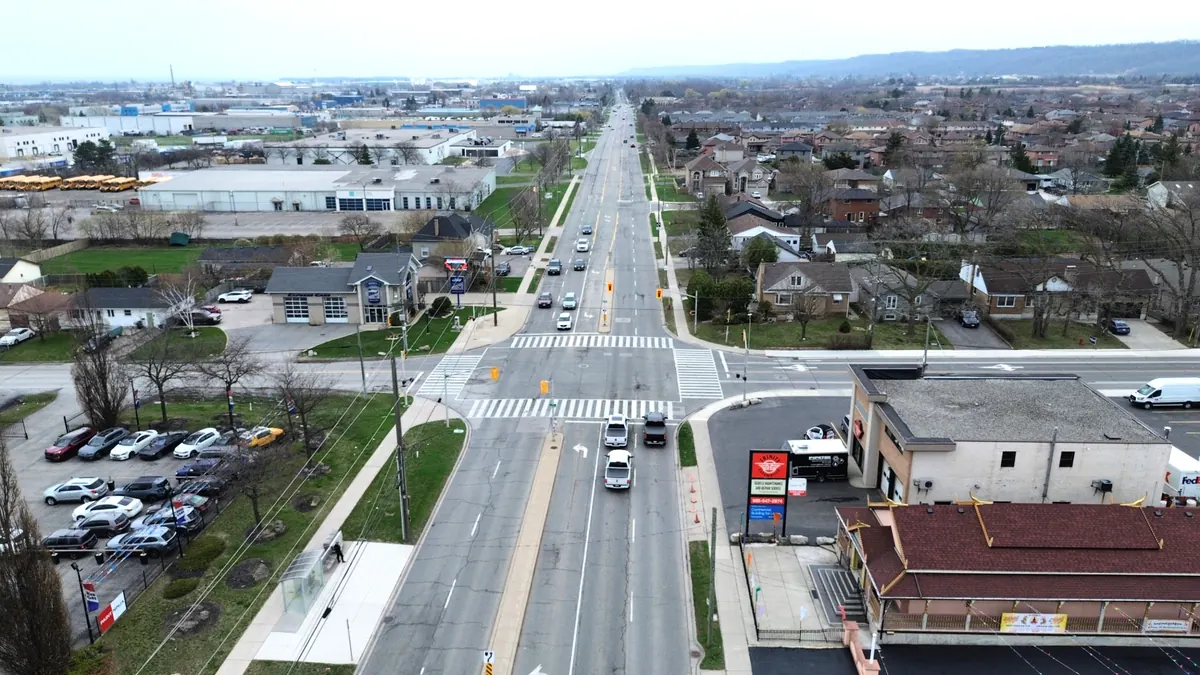
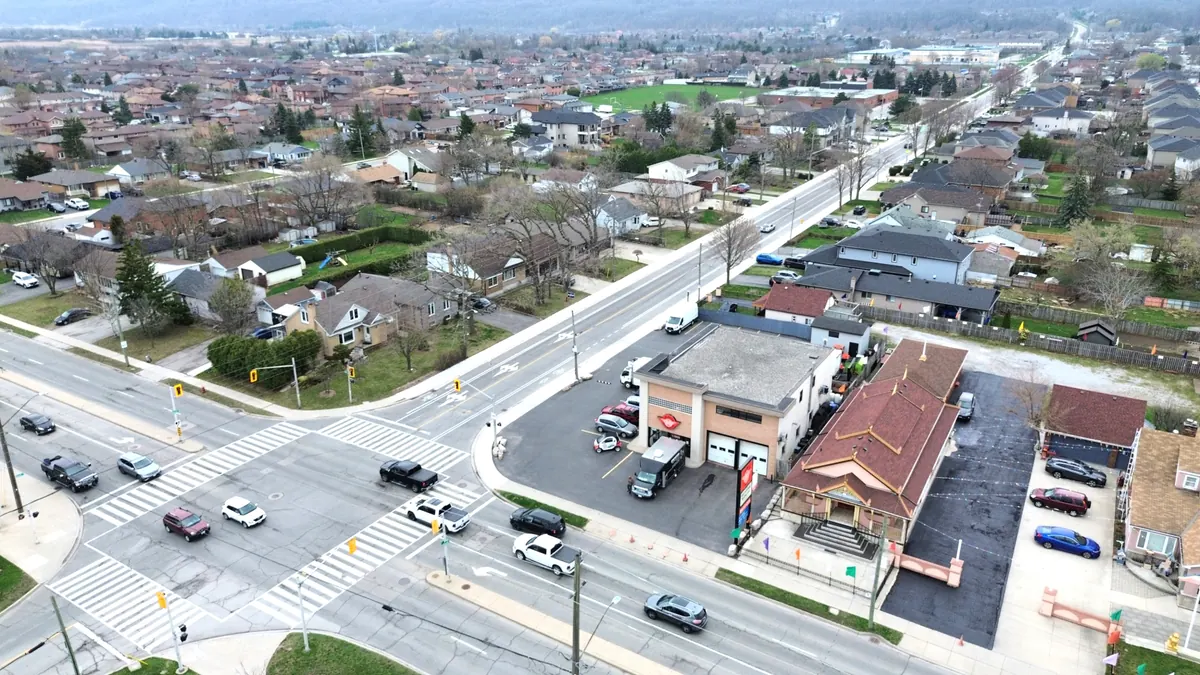
A 90 by 160 foot lot on a signalized corner, zoned C2, Neighbourhood Commercial. The study asked what the small structure at the back could carry.
The traffic
The site was not what killed the plan. The junction's published count is 21,000 or more vehicles a day, and third parties put a price on that traffic. The digital billboard across the junction is listed at 21,034 impressions a day. Five HSR bus routes run the corridor.
The structure
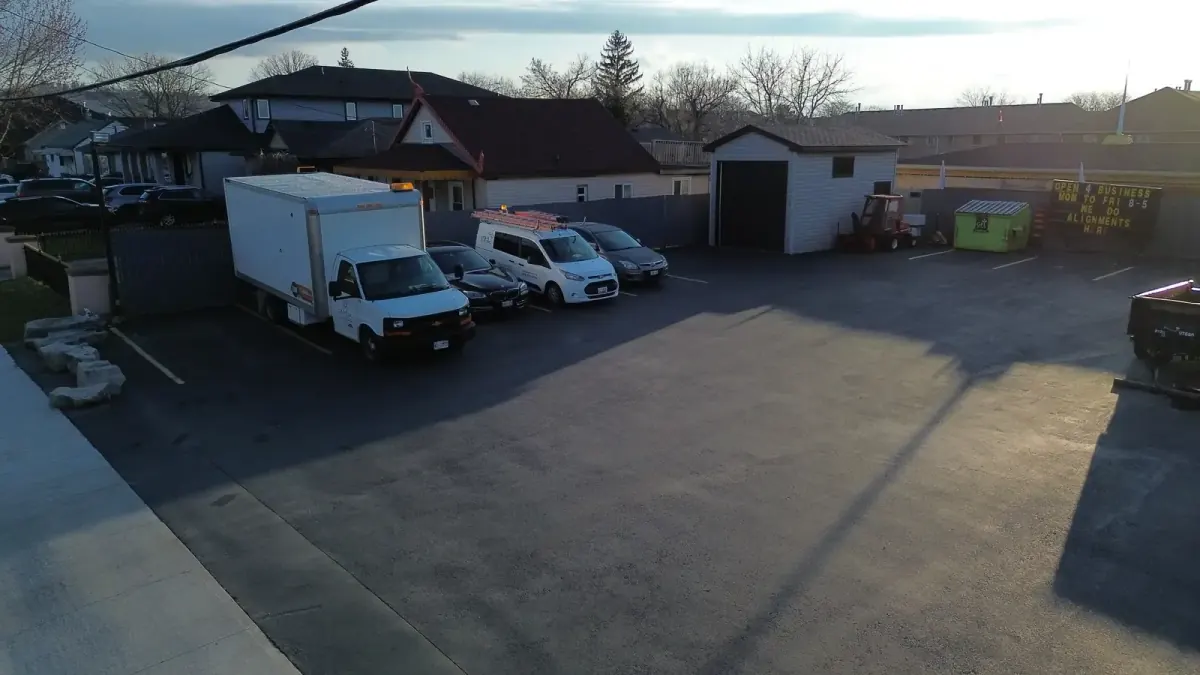
The structure is 12 by 20 feet, behind the main building. Any store in it had to run with nobody working there. Every walking route to it from either sidewalk crosses ground that cars drive and park on. The study treats that as a bound on this one structure's uses, and one that could be engineered around. It moved none of the arithmetic.
Eight concepts, and what ended each
Eight concepts entered and none survived. Every exit landed on July 13 or 14, when the evidence arrived together.
- CPG micro-retailApr 30 → Jul 13Parked. Payment processing takes about 15% of a $2.50 basket, at any volume.
- Staffed bubble teaJul 13Rejected the same day it was proposed. It set the rule of no staff in store operations.
- Unattended bubble teaJul 13 → 14Pivoted. Tapioca needs a heated hold, the exact burden an unattended format cannot carry lightly.
- Unattended smoothieJul 14Killed. The one measured figure in the category is 6.8 cups a day, against a 12-cup floor. Capital of $26K to $37.6K pays back in 2.2 to 3.3 years, past the 24-month line. Better-funded operators ran it first and lost.
- Prepackaged cold drinksJul 13 → 14Passed every format test and was never falsified. It closed with the program and is the most revivable line.
- Venue-placed unitsJul 14Closed. Where these machines survive, venue service fees carry them, not cup margins.
- Private training venueJul 14Killed on paper, on the change-of-use permit and assembly-occupancy obligations.
- Micro officeundated → Jul 14Considered, then closed with the venue lines. The record holds no dated entry for it, and none is invented.
Demand
The best throughput anyone has published for an unattended fresh-drink machine is 6.8 cups a day, from one kiosk inside a members-only innovation hub. The smallest version of this plan needed 12. That is 75 percent more, from a cold start.
Payback
The program's kill line was 24 months. At 12 cups a day, a $15K machine on its own would pay back in 15.6 months, inside that line. But the machine needs a structure around it, and building that out costs $17,638 to $23,720. With the structure included, the two real builds take 27 and 39 months at the same volume.
Who tried first
Better-funded operators ran this experiment first. Blendid, with about US$36 million paid in, now reports going-concern doubt. Briggo, with US$26 million of stock and note sales on file, was bought by Costa Coffee. Where these machines survive, they run on venue service fees rather than cup margins.
What it cost
The program ran 76 days and spent about zero on the venue. Nothing at the site was built, bought or permitted before the numbers closed it. The spend went on bench hardware and domain renewals. The software the store would have run on is on Corner's page.
The full study
The full study runs to nine chapters and four appendices, and credits every source and photograph. This page is the short version.